

Buying Guides
Tincture Buying Guide: What First‑Timers Need to Know
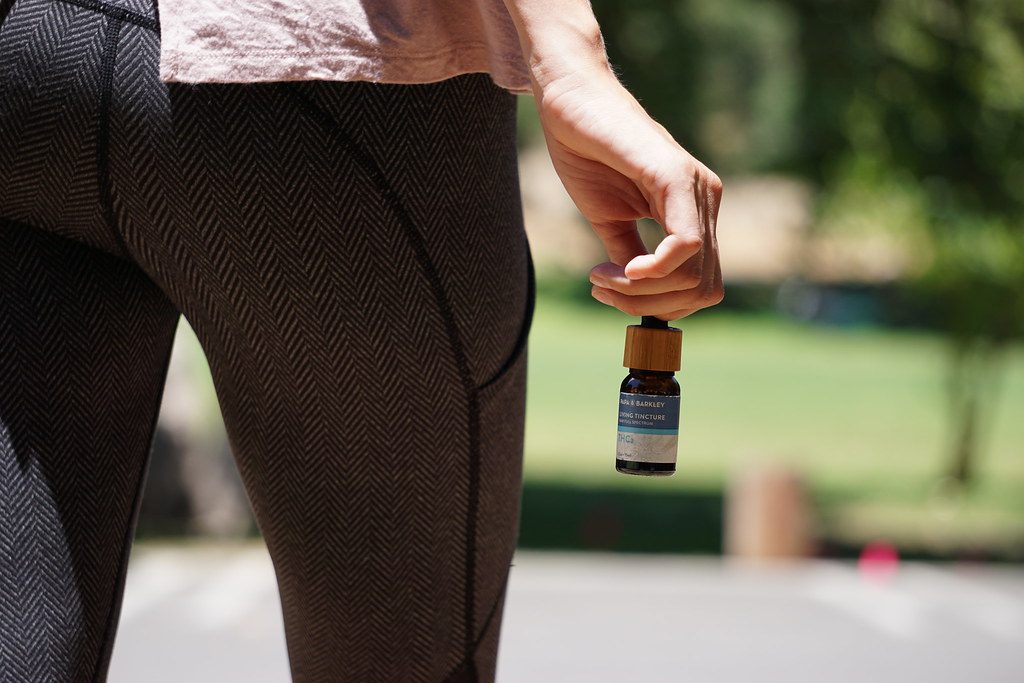
Cannabis tinctures are liquid extracts that combine cannabis-infused oil or alcohol with a carrier such as MCT oil, hemp seed oil, or glycerin. The result is a drop‑per‑drop solution that can be measured precisely, making it a popular choice for people who want discretion, consistency, and a smoke‑free option. Tinctures are typically sold in small glass bottles with droppers, and each bottle is required to display its total THC and CBD content, as well as the concentration per milliliter, so you can gauge potency before you take a dose.
When you consume a tincture, the most common method is sublingual administration: you place a few drops under your tongue and hold them there for about 30 to 60 seconds before swallowing. This allows the cannabinoids to absorb directly into the bloodstream through the mucous membranes, producing effects faster than edibles but slower than inhalation. Some users also mix tincture drops into food or beverages, though the onset time will then resemble that of an edible because the cannabinoids must pass through the digestive system.
For a first‑time buyer, the most important factor is potency. Tinctures can range from low‑strength formulas (5 mg THC per milliliter) to high‑strength options (over 50 mg THC per milliliter). If you’re new to cannabis, start with a low‑dose product and begin with just one or two drops, then wait 30‑45 minutes to gauge how you feel before deciding whether to take more. Because the effects can be subtle and build gradually, it’s easy to overshoot if you don’t pace yourself.
Look for tinctures that have been tested by a state‑approved laboratory. Lab results should be posted on the product label or accessible online, confirming cannabinoid levels, terpene profile, and the absence of harmful contaminants like pesticides, heavy metals, or residual solvents. Transparent testing is a sign that the brand follows good manufacturing practices and gives you confidence in what you’re ingesting.
Flavor and carrier type are largely a matter of personal preference. Some tinctures are naturally flavored with citrus, mint, or berry extracts, which can mask the earthy taste of cannabis. Others are unflavored and let the natural profile shine through. If you have dietary restrictions, check whether the carrier oil is derived from hemp seed, MCT (coconut), or another source, and verify that the product is vegan or gluten‑free if those concerns matter to you.
Storage matters for maintaining potency and flavor. Keep your tincture in a cool, dark place—ideally a drawer or cabinet away from direct sunlight. Some bottles come with child‑proof caps, which are a good safety feature, especially if the product will be kept in a shared household. Avoid refrigerating unless the label specifically advises it, as oil‑based tinctures can become cloudy but remain safe; however, extreme cold can affect the dropper’s function.
When you place an order through a delivery marketplace, double‑check the total volume (often 30 ml or 1 oz) and the milligram‑per‑milliliter concentration so you can calculate how many drops equal a standard dose. Most droppers dispense roughly 20 drops per milliliter, but the exact number can vary, so a quick test on a piece of paper can help you estimate.
Lastly, be aware of local possession limits. In Washington, D.C., Maryland, and Virginia, adults can legally possess up to one ounce of flower or its equivalent in concentrate, which includes tinctures. Converting milligrams to an ounce‑equivalent can be confusing, so if you’re unsure, consult the marketplace’s FAQ or a knowledgeable customer‑service representative. Staying within legal limits protects you from unintended complications.
By understanding what tinctures are, how they’re consumed, and the key considerations around potency, testing, flavor, storage, and legality, you’ll feel more confident selecting a product that fits your lifestyle and preferences. A careful, measured approach lets you enjoy the benefits of a discreet, controllable
When you consume a tincture, the most common method is sublingual administration: you place a few drops under your tongue and hold them there for about 30 to 60 seconds before swallowing. This allows the cannabinoids to absorb directly into the bloodstream through the mucous membranes, producing effects faster than edibles but slower than inhalation. Some users also mix tincture drops into food or beverages, though the onset time will then resemble that of an edible because the cannabinoids must pass through the digestive system.
For a first‑time buyer, the most important factor is potency. Tinctures can range from low‑strength formulas (5 mg THC per milliliter) to high‑strength options (over 50 mg THC per milliliter). If you’re new to cannabis, start with a low‑dose product and begin with just one or two drops, then wait 30‑45 minutes to gauge how you feel before deciding whether to take more. Because the effects can be subtle and build gradually, it’s easy to overshoot if you don’t pace yourself.
Look for tinctures that have been tested by a state‑approved laboratory. Lab results should be posted on the product label or accessible online, confirming cannabinoid levels, terpene profile, and the absence of harmful contaminants like pesticides, heavy metals, or residual solvents. Transparent testing is a sign that the brand follows good manufacturing practices and gives you confidence in what you’re ingesting.
Flavor and carrier type are largely a matter of personal preference. Some tinctures are naturally flavored with citrus, mint, or berry extracts, which can mask the earthy taste of cannabis. Others are unflavored and let the natural profile shine through. If you have dietary restrictions, check whether the carrier oil is derived from hemp seed, MCT (coconut), or another source, and verify that the product is vegan or gluten‑free if those concerns matter to you.
Storage matters for maintaining potency and flavor. Keep your tincture in a cool, dark place—ideally a drawer or cabinet away from direct sunlight. Some bottles come with child‑proof caps, which are a good safety feature, especially if the product will be kept in a shared household. Avoid refrigerating unless the label specifically advises it, as oil‑based tinctures can become cloudy but remain safe; however, extreme cold can affect the dropper’s function.
When you place an order through a delivery marketplace, double‑check the total volume (often 30 ml or 1 oz) and the milligram‑per‑milliliter concentration so you can calculate how many drops equal a standard dose. Most droppers dispense roughly 20 drops per milliliter, but the exact number can vary, so a quick test on a piece of paper can help you estimate.
Lastly, be aware of local possession limits. In Washington, D.C., Maryland, and Virginia, adults can legally possess up to one ounce of flower or its equivalent in concentrate, which includes tinctures. Converting milligrams to an ounce‑equivalent can be confusing, so if you’re unsure, consult the marketplace’s FAQ or a knowledgeable customer‑service representative. Staying within legal limits protects you from unintended complications.
By understanding what tinctures are, how they’re consumed, and the key considerations around potency, testing, flavor, storage, and legality, you’ll feel more confident selecting a product that fits your lifestyle and preferences. A careful, measured approach lets you enjoy the benefits of a discreet, controllable