

Buying Guides
A First‑Time Buyer’s Guide to Cannabis Flower
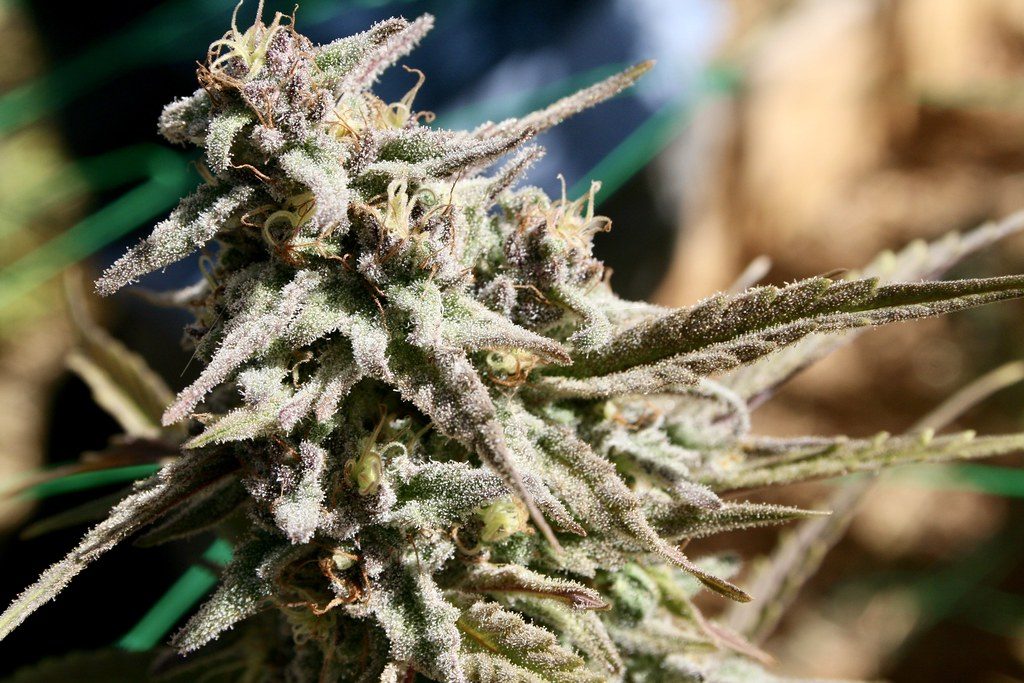
Cannabis flower, often simply called “bud,” is the dried, harvested buds of the cannabis plant that are ready for consumption. It is the most traditional form of cannabis and comes in a wide range of strains, each with its own mix of aroma, flavor, and visual characteristics. When you browse a delivery marketplace, you’ll see flower listed by strain name, potency (usually expressed as THC and CBD percentages), and sometimes by its growing method—indoor, outdoor, or greenhouse. The packaging will note the weight, typically in grams or ounces, and any lab‑tested cannabinoid profile that helps you compare options.
The most common way to enjoy flower is by inhalation. Smoking involves rolling the ground bud into a joint, packing it into a pipe, or loading it into a bong. Vaping is a popular alternative: a dry‑herb vaporizer gently heats the flower to release vapor without combustion, which can produce a smoother experience and reduce the smell. Both methods allow the cannabinoids and terpenes to enter the bloodstream quickly, giving effects within minutes. Some users also choose “cold‑cure” or “cure” the flower further at home to adjust flavor, though this is optional.
For a first‑time buyer, a few key considerations can make the experience smoother. Start with a modest quantity—perhaps a gram or two—so you can gauge the potency and your personal tolerance before ordering larger amounts. Look at the THC and CBD percentages: higher THC generally means stronger psychoactive effects, while CBD can moderate those effects. If you’re unsure, many buyers opt for strains labeled “balanced” or with moderate THC (around 12‑15%) and some CBD.
Next, think about the type of high you prefer. “Indica‑dominant” strains are often described as more relaxing, while “sativa‑dominant” strains tend to feel more uplifting. Hybrid strains blend both traits. While these labels are not guarantees, they provide a useful starting point for matching your mood or activity. Reading the terpene profile—terms like citrus, pine, or earthy—can also help you anticipate flavor and aroma.
When ordering, check that the product includes a lab report or certificate of analysis. This document confirms the cannabinoid content and verifies that the flower is free from harmful contaminants such as pesticides or mold. Reputable marketplaces typically provide a link to this information directly on the product page.
Finally, prepare the right tools. If you plan to smoke, a basic pipe or a simple rolled joint will suffice. For vaping, a dry‑herb vaporizer with temperature control lets you experiment with lower (around 350°F) versus higher (up to 400°F) settings, affecting flavor and vapor density. Keep a lighter, a grinder, and a storage container (an airtight jar) handy to maintain freshness.
By understanding what flower is, how it’s commonly consumed, and the basics of selecting a strain and quantity, you’ll be better equipped to make a confident first purchase. Use the marketplace’s filters to narrow down options, read the provided lab data, and start with a small amount. From there, you can explore different strains, consumption methods, and find what fits your preferences best. Happy exploring!
The most common way to enjoy flower is by inhalation. Smoking involves rolling the ground bud into a joint, packing it into a pipe, or loading it into a bong. Vaping is a popular alternative: a dry‑herb vaporizer gently heats the flower to release vapor without combustion, which can produce a smoother experience and reduce the smell. Both methods allow the cannabinoids and terpenes to enter the bloodstream quickly, giving effects within minutes. Some users also choose “cold‑cure” or “cure” the flower further at home to adjust flavor, though this is optional.
For a first‑time buyer, a few key considerations can make the experience smoother. Start with a modest quantity—perhaps a gram or two—so you can gauge the potency and your personal tolerance before ordering larger amounts. Look at the THC and CBD percentages: higher THC generally means stronger psychoactive effects, while CBD can moderate those effects. If you’re unsure, many buyers opt for strains labeled “balanced” or with moderate THC (around 12‑15%) and some CBD.
Next, think about the type of high you prefer. “Indica‑dominant” strains are often described as more relaxing, while “sativa‑dominant” strains tend to feel more uplifting. Hybrid strains blend both traits. While these labels are not guarantees, they provide a useful starting point for matching your mood or activity. Reading the terpene profile—terms like citrus, pine, or earthy—can also help you anticipate flavor and aroma.
When ordering, check that the product includes a lab report or certificate of analysis. This document confirms the cannabinoid content and verifies that the flower is free from harmful contaminants such as pesticides or mold. Reputable marketplaces typically provide a link to this information directly on the product page.
Finally, prepare the right tools. If you plan to smoke, a basic pipe or a simple rolled joint will suffice. For vaping, a dry‑herb vaporizer with temperature control lets you experiment with lower (around 350°F) versus higher (up to 400°F) settings, affecting flavor and vapor density. Keep a lighter, a grinder, and a storage container (an airtight jar) handy to maintain freshness.
By understanding what flower is, how it’s commonly consumed, and the basics of selecting a strain and quantity, you’ll be better equipped to make a confident first purchase. Use the marketplace’s filters to narrow down options, read the provided lab data, and start with a small amount. From there, you can explore different strains, consumption methods, and find what fits your preferences best. Happy exploring!