

Buying Guides
Buying Guide to Cannabis Flower: What It Is, How to Enjoy It, and First‑Time Tips
Cannabis “flower” is the dried, harvested buds of the cannabis plant that are traditionally smoked or vaporized. It’s the form most people picture when they think of cannabis, and it’s the core product offered on delivery marketplaces. Buds are trimmed, cured, and packaged in airtight containers to preserve aroma, flavor, and potency. Because flower comes directly from the plant, it retains the full spectrum of cannabinoids and terpenes that give each strain its characteristic look, smell, and effect profile.
The most common ways to consume flower are smoking and vaporizing. Smoking involves lighting the bud and inhaling the smoke through a joint, blunt, pipe, or bong. Each method delivers the cannabinoids quickly, with the effects typically noticeable within minutes. Vaporizing, on the other hand, heats the flower to a temperature that releases vapor without combustion. Vaporizers can be portable pens, tabletop devices, or dab rigs with a herb chamber. Vapor tends to be smoother on the throat and may preserve more of the plant’s flavor nuances, but both approaches are widely used by beginners and seasoned users alike.
If you’re buying flower for the first time, there are several practical factors to consider. First, strain type—indica, sativa, or hybrid—gives a general sense of the experience. Indicas are often described as more relaxing, sativas as uplifting, and hybrids as a mix of the two. While these descriptors are not medical guarantees, they can help you choose a profile that matches your preferences. Second, look at the cannabinoid content listed on the lab report. THC levels indicate the primary psychoactive component, while CBD may moderate the high. Most marketplaces provide a PDF lab sheet that verifies potency, terpene profile, and safety testing; reviewing this information ensures you know what you’re ordering.
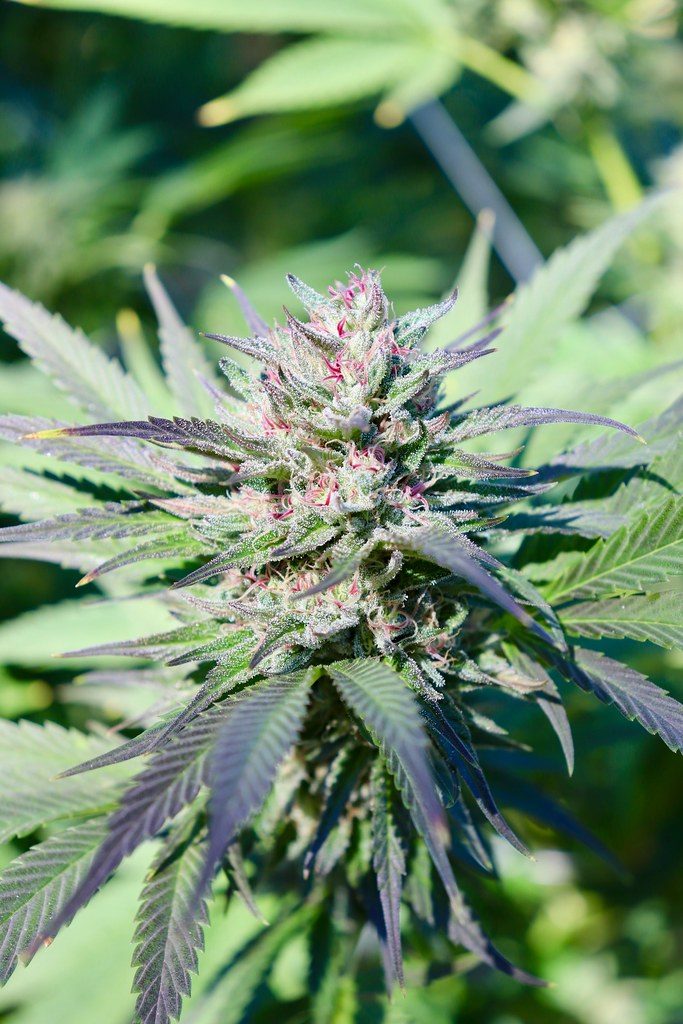
Bud appearance also matters. High‑quality flower typically has a dense, frosty coating of trichomes (the tiny, crystal‑like hairs that contain cannabinoids), vibrant colors ranging from bright greens to deep purples, and a pleasant aroma that reflects its terpene mix. Avoid buds that look overly dry, brown, or have signs of mold. Freshness is important because it affects both flavor and smoothness of the smoke or vapor. Many delivery services store flower in temperature‑controlled environments, but it’s still wise to check the packaging date if it’s listed.
For first‑time consumers, start low and go slow. Even if you’re familiar with other substances, cannabis potency can vary widely between strains and batches. Begin with a small puff, wait a few minutes, and gauge the effect before deciding to take more. This “low‑and‑slow” approach helps you stay comfortable and reduces the chance of an unpleasant experience. Also, be mindful of your setting—choose a relaxed environment, stay hydrated, and have snacks on hand if you tend to get the munchies.
Proper storage extends the life of your flower. Keep it in a sealed glass jar, away from direct light, heat, and excess humidity. Some users add a small humidity pack to maintain optimal moisture levels, which preserves aroma and prevents the buds from becoming too dry or too wet.
Finally, familiarize yourself with local regulations. In Washington DC, Maryland, and Virginia,
The most common ways to consume flower are smoking and vaporizing. Smoking involves lighting the bud and inhaling the smoke through a joint, blunt, pipe, or bong. Each method delivers the cannabinoids quickly, with the effects typically noticeable within minutes. Vaporizing, on the other hand, heats the flower to a temperature that releases vapor without combustion. Vaporizers can be portable pens, tabletop devices, or dab rigs with a herb chamber. Vapor tends to be smoother on the throat and may preserve more of the plant’s flavor nuances, but both approaches are widely used by beginners and seasoned users alike.
If you’re buying flower for the first time, there are several practical factors to consider. First, strain type—indica, sativa, or hybrid—gives a general sense of the experience. Indicas are often described as more relaxing, sativas as uplifting, and hybrids as a mix of the two. While these descriptors are not medical guarantees, they can help you choose a profile that matches your preferences. Second, look at the cannabinoid content listed on the lab report. THC levels indicate the primary psychoactive component, while CBD may moderate the high. Most marketplaces provide a PDF lab sheet that verifies potency, terpene profile, and safety testing; reviewing this information ensures you know what you’re ordering.
Bud appearance also matters. High‑quality flower typically has a dense, frosty coating of trichomes (the tiny, crystal‑like hairs that contain cannabinoids), vibrant colors ranging from bright greens to deep purples, and a pleasant aroma that reflects its terpene mix. Avoid buds that look overly dry, brown, or have signs of mold. Freshness is important because it affects both flavor and smoothness of the smoke or vapor. Many delivery services store flower in temperature‑controlled environments, but it’s still wise to check the packaging date if it’s listed.
For first‑time consumers, start low and go slow. Even if you’re familiar with other substances, cannabis potency can vary widely between strains and batches. Begin with a small puff, wait a few minutes, and gauge the effect before deciding to take more. This “low‑and‑slow” approach helps you stay comfortable and reduces the chance of an unpleasant experience. Also, be mindful of your setting—choose a relaxed environment, stay hydrated, and have snacks on hand if you tend to get the munchies.
Proper storage extends the life of your flower. Keep it in a sealed glass jar, away from direct light, heat, and excess humidity. Some users add a small humidity pack to maintain optimal moisture levels, which preserves aroma and prevents the buds from becoming too dry or too wet.
Finally, familiarize yourself with local regulations. In Washington DC, Maryland, and Virginia,
Keep exploring: