

Buying Guides
Edible Essentials: A First‑Timer’s Guide to Cannabis Edibles
Cannabis edibles are food‑based products infused with cannabinoids, offering an alternative to smoking or vaping. They come in many familiar formats—gummies, chocolates, baked goods, beverages, and even savory snacks. Because the cannabinoids are absorbed through the digestive system, the effects can feel different from inhalation: they often develop more slowly, can last longer, and may feel more body‑focused. Understanding these basics helps you make a confident first purchase on a delivery marketplace.
When you order edibles, the first thing you’ll notice is the dosage information printed on the packaging. Most products list the total milligrams of THC (the primary psychoactive compound) and sometimes CBD per package, as well as the amount per individual piece. For beginners, a common recommendation is to start with 5 mg of THC or less and wait before taking more. Unlike smoking, where effects can be felt within minutes, edibles typically take 30 minutes to two hours to kick in, depending on factors like metabolism, whether you’ve eaten recently, and your individual tolerance. Patience is essential; taking a second dose too soon can lead to an uncomfortable experience.
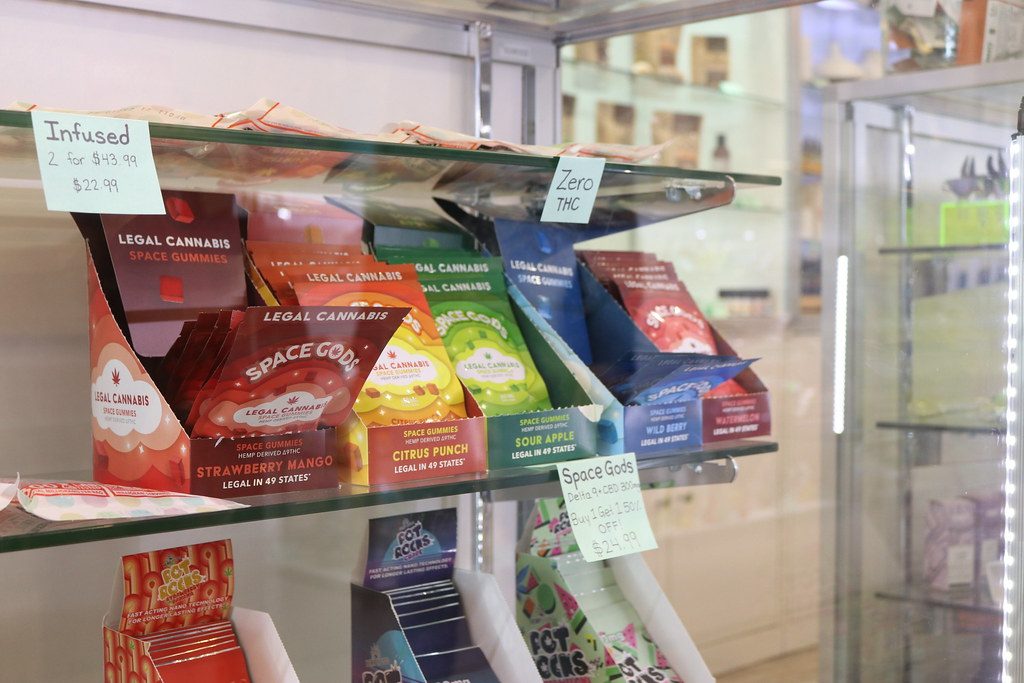
Choosing the right type of edible is largely a matter of personal preference. Gummies are popular for their discreet size and consistent dosing. Chocolates appeal to those who enjoy a richer taste, while baked goods such as cookies or brownies may feel more like a traditional treat. Beverages—like sparkling water or tea—offer a lower‑calorie option and can be easier on the stomach if you’re sensitive to heavy foods. If you’re concerned about sugar or allergens, many brands now produce low‑sugar, vegan, or gluten‑free versions.
Before you hit “checkout,” consider a few practical tips. First, verify that the delivery service you’re using is licensed in your jurisdiction (Washington DC, Maryland, or Virginia) and that the product listing includes clear lab testing results. Reputable sellers provide a QR code or link to a certificate of analysis, showing potency and confirming the product is free of harmful contaminants. Second, think about your environment. Plan to consume the edible at home or another comfortable setting where you can relax, have water nearby, and avoid operating vehicles or machinery.
Storage matters, too. Edibles should be kept in a cool, dry place, out of direct sunlight, and away from children or pets. Some products, especially those with chocolate or butter bases, may melt if left in a warm car during delivery. If you receive a multi‑piece package, label each piece with a sticky note indicating the dosage, so you can track how much you’ve consumed.
Finally, keep a simple log of your experience. Note the product name, dosage, time of consumption, and how you felt after an hour, two hours, and later. Over time, this record helps you fine‑tune your preferred dosage and product type, making future orders smoother and more enjoyable.
By understanding what edibles are, how they work, and the practical steps for a safe first experience, you can navigate the marketplace with confidence and discover a tasty, convenient way to explore cannabis. Happy and responsible sampling!
When you order edibles, the first thing you’ll notice is the dosage information printed on the packaging. Most products list the total milligrams of THC (the primary psychoactive compound) and sometimes CBD per package, as well as the amount per individual piece. For beginners, a common recommendation is to start with 5 mg of THC or less and wait before taking more. Unlike smoking, where effects can be felt within minutes, edibles typically take 30 minutes to two hours to kick in, depending on factors like metabolism, whether you’ve eaten recently, and your individual tolerance. Patience is essential; taking a second dose too soon can lead to an uncomfortable experience.
Choosing the right type of edible is largely a matter of personal preference. Gummies are popular for their discreet size and consistent dosing. Chocolates appeal to those who enjoy a richer taste, while baked goods such as cookies or brownies may feel more like a traditional treat. Beverages—like sparkling water or tea—offer a lower‑calorie option and can be easier on the stomach if you’re sensitive to heavy foods. If you’re concerned about sugar or allergens, many brands now produce low‑sugar, vegan, or gluten‑free versions.
Before you hit “checkout,” consider a few practical tips. First, verify that the delivery service you’re using is licensed in your jurisdiction (Washington DC, Maryland, or Virginia) and that the product listing includes clear lab testing results. Reputable sellers provide a QR code or link to a certificate of analysis, showing potency and confirming the product is free of harmful contaminants. Second, think about your environment. Plan to consume the edible at home or another comfortable setting where you can relax, have water nearby, and avoid operating vehicles or machinery.
Storage matters, too. Edibles should be kept in a cool, dry place, out of direct sunlight, and away from children or pets. Some products, especially those with chocolate or butter bases, may melt if left in a warm car during delivery. If you receive a multi‑piece package, label each piece with a sticky note indicating the dosage, so you can track how much you’ve consumed.
Finally, keep a simple log of your experience. Note the product name, dosage, time of consumption, and how you felt after an hour, two hours, and later. Over time, this record helps you fine‑tune your preferred dosage and product type, making future orders smoother and more enjoyable.
By understanding what edibles are, how they work, and the practical steps for a safe first experience, you can navigate the marketplace with confidence and discover a tasty, convenient way to explore cannabis. Happy and responsible sampling!